

How to Start a Senior Moving Business
Roughly 10,000 Americans turn 65 every day, and the asset in this business is not the truck — it is whose name a discharge planner hands to a family. Here is what a senior moving business costs, what it pays after you replace yourself, and why the referral network takes years to build and is nearly impossible to displace.
Chris Scott — former CDFI director, SBA manager
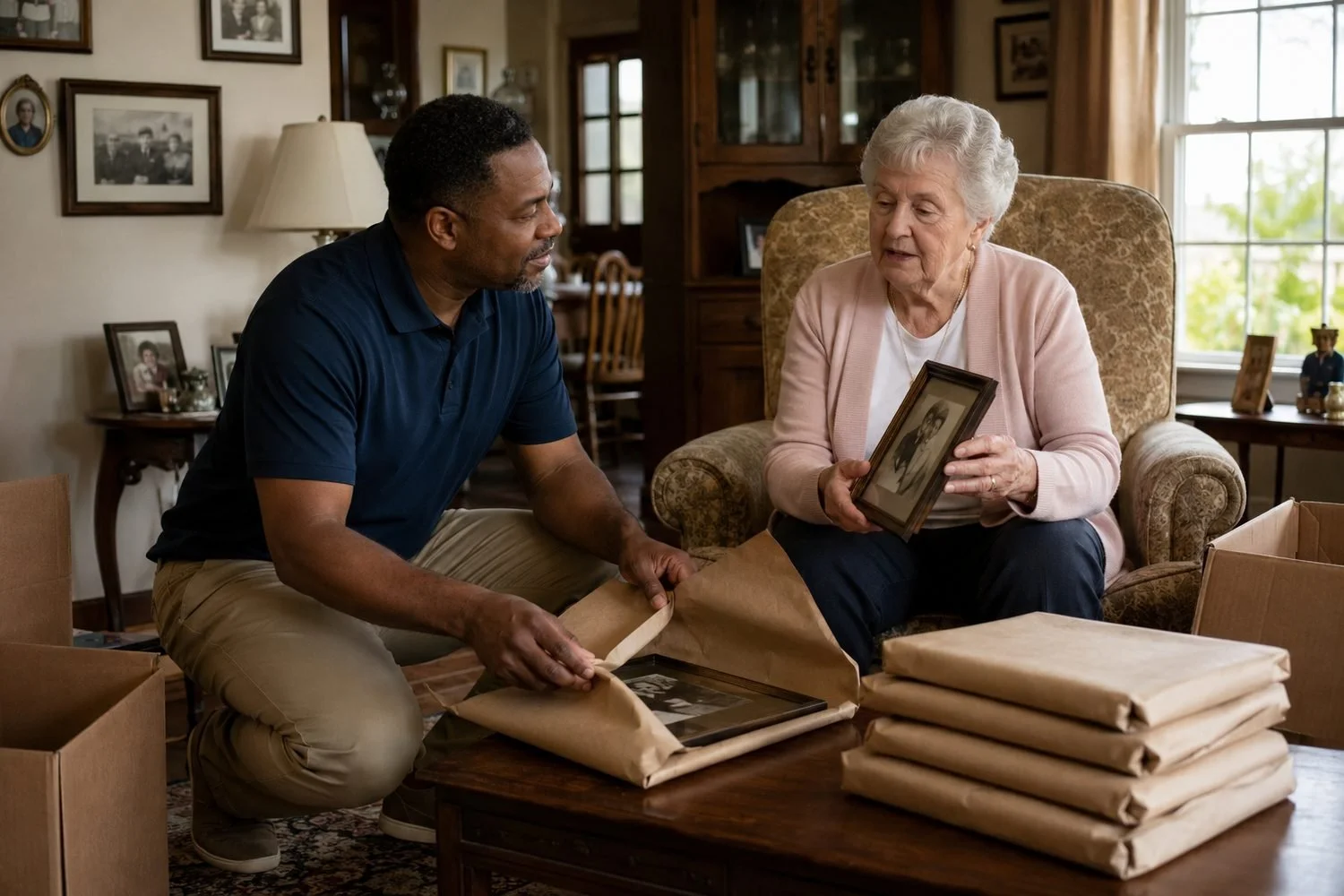
As the director of a Community Development Financial Institution (CDFI), I reviewed loan applications and made the approve-or-decline decisions. Later, at the U.S. Small Business Administration (SBA), I monitored lending programs and saw which loans were approved and which were denied. Across those two roles, thousands of business plans and loan applications crossed my desk. I still work at the SBA, now in its venture capital division. That work is where I learned what a durable business looks like on paper, and what a business that only looks durable looks like on paper.
It is not, however, where the list of fifty came from. That came from years of research, running category after category through the same four questions: Is it profitable? Does it have recurring revenue? Is it recession resistant? Is it AI resistant? Those four questions are the framework behind the book, The Microbusiness Millionaire, and they are what separated the categories that built real wealth from the ones that quietly built a job with a P&L attached. Fifty survived the screen. Far more never made it through.
Senior moving is one of the fifty, and the demographics do half the work for you — the customers who will need it in fifteen years are already alive and already counted.
It is also a category where two businesses can look identical on paper and be worth very different money, because the asset here is neither the truck nor the crew. It is whose name gets handed to a family by the discharge planner, and that takes years to earn.
A word on how this differs from senior care, since both are on the list and both serve the same households. Senior care sells ongoing hours — a schedule, week after week, sometimes for years, and the constraint is staffing. Senior moving sells one intense event, priced as a project, and the constraint is referrals. Care is a schedule you staff. Moving is a moment you are trusted with. They feed each other constantly, and the care relationship is often what produces the moving job, but they are two different businesses with two different bottlenecks.
The industry: a demographic wave, not a market cycle

The number of Americans aged 65 and older reached about 65.1 million in 2026, up 2.8% year over year, with roughly 10,000 people turning 65 every day as the baby-boom cohort continues aging in. [S1] That is not a market trend that reverses on the next rate cut. It is a demographic fact with decades of momentum behind it.
The services built around that population have scaled accordingly: elderly and disabled services in the United States total about $80.1 billion in 2025, up 3.4% on the year. [S2] And the transition this business serves is specific and predictable. Residents typically arrive at assisted living in their eighties, and industry surveys report that a substantial share move again — most often into skilled nursing — within a few years. [S3] Each move is a household that has to be sorted, packed, downsized and relocated by somebody, and many families go through it twice.
On the labor side, the crew you will pay is drivers and movers. Heavy and tractor-trailer driving and light truck driving are the two wage lines here, and light-truck employment is projected to grow 8% from 2024 to 2034. [S4] Both rates are local. Pull them for your own market.
Which of those applies depends on the truck you run, and it is worth settling early, since crew is your largest recurring cost.
Why senior moving made the list
Every category in the research had to clear four tests. Clear three and you usually have a self-employed job in disguise.
Does it pay after you replace yourself? It does, because this is specialty work priced accordingly. A senior move is not a truck rental with muscle — it is sorting decades of belongings, coordinating with a facility's move-in schedule, and handling the weight of the day with patience. That premium is what supports paying a crew lead properly and still leaving real cash flow for the owner.
Does the revenue recur? Not from the family — most move once. It recurs through the referral source, which is the crucial distinction. An assisted living facility that trusts you refers families continuously, for years. The recurring relationship is with the institution, not the customer, and that is what makes this a business rather than a series of jobs.
Does it survive a recession? Better than general moving. A relocation into assisted living is driven by health and care needs rather than by the housing market or a job transfer. Discretionary moves pause in a downturn; care-driven moves do not.
Will it still need humans in ten years? Completely. Sitting with an eighty-eight-year-old deciding which of four bookcases comes to a studio apartment is not something software can do. The judgment, the physical work and the patience are the entire service.
Four for four, with a demographic tailwind and a referral moat that compounds.
The research on this category kept producing the same pair: two senior moving businesses, same city, same size trucks, entirely different files. One markets to families directly — advertisements, mailers, a website, competing on price against every general mover in the market. The other spent three years before buying a truck at all, taking discharge planners to coffee, showing up to facility open houses, and handling a handful of moves nearly at cost for a memory care community that needed the help. By the time that second business needed financing, four facilities were handing out its name as a matter of routine. No marketing budget, and a waiting list. From the lending side of the desk that revenue is far easier to underwrite, for a simple reason: it arrives from institutions rather than from advertising, and institutions do not churn the way advertising spend does.
What it takes to make this one work
A note on the tags. Every category in the fifty cleared the same four tests; far more never made it through. The tags do not grade a business — they tell you what has to line up for it to work in your hands. Senior moving carries two: Best paired and Rewards a specialty. Together they are the instruction manual.
The condition: assisted living facilities and senior care providers send the work, and those relationships take years to build. You cannot buy your way onto a discharge planner's short list, and you cannot advertise your way there either.
The move that meets it: start the referral relationships before the business needs them. That inversion is the whole approach — build the network while you still have income elsewhere, take the early jobs a facility needs handled, and show up reliably enough that your name becomes the default.
Then pair into the lifecycle so one family relationship produces several jobs. Senior care reaches the household before the move, estate sales handle what is not coming along, and junk removal clears what has no buyer. A family in transition needs all of it, and would much rather call one person.
The upside: the tailwind is demographic and it is not slowing — 10,000 people turn 65 every day. And once you are the name a facility hands out, you are very difficult to displace, because no administrator swaps a vendor who has handled a hundred families gently for one quoting a lower rate. That is a moat that deepens with time rather than eroding.
What it costs to get in — the three paths
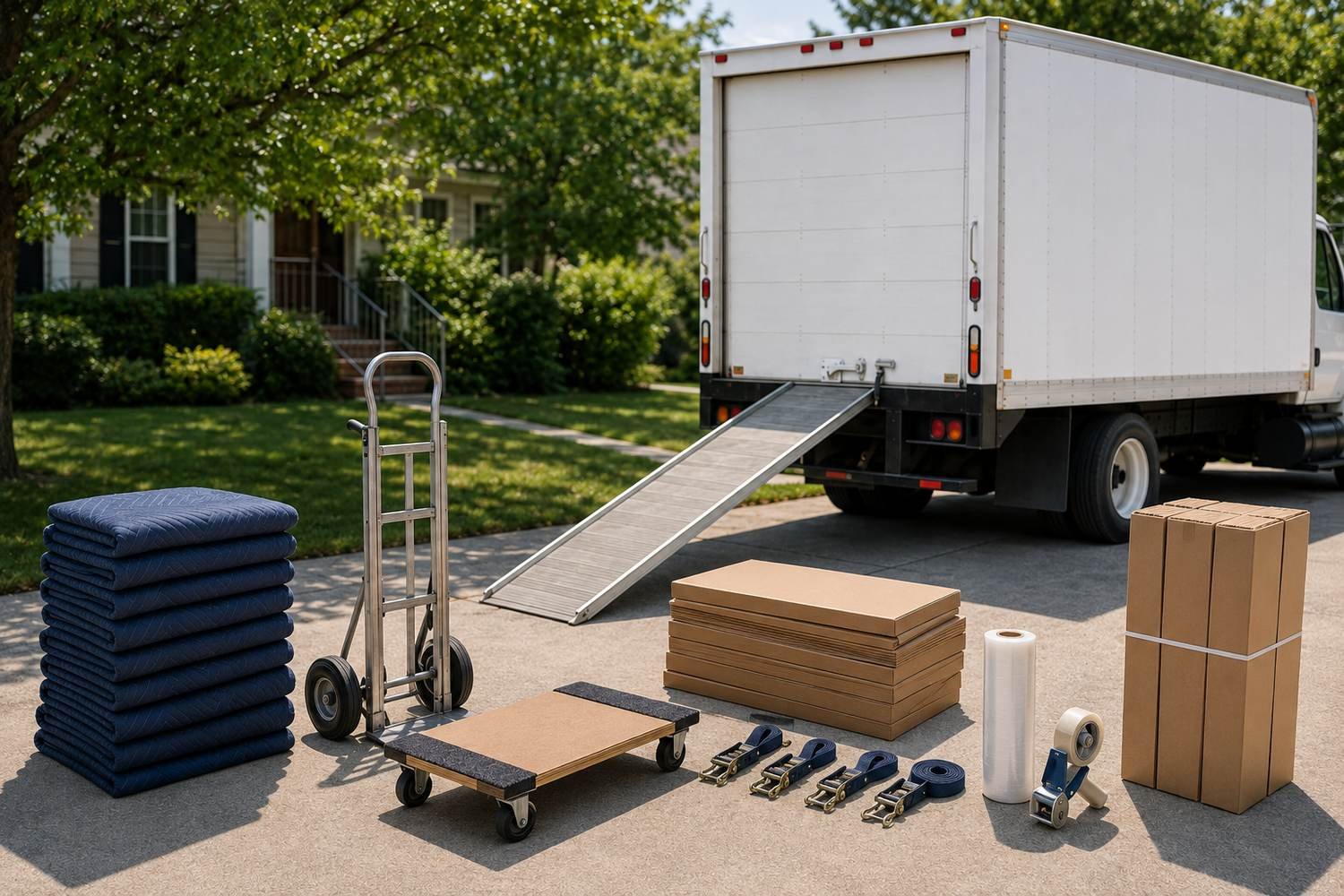
| Path | Typical cost range | Best for |
|---|---|---|
| Startup | $15,000 – $40,000 | Truck + insurance + training |
| Acquisition (estimate) | $40,000 – $120,000 | Referral relationships + crew |
| Franchise | $71,000 – $117,000 | Brand + senior care relationships (example: Caring Transitions) |
Franchise brands are named as examples, not endorsements. Franchise investment figures reflect a franchisor's most recent Franchise Disclosure Document (FDD) and change annually — verify each brand's current FDD (Item 7 for the initial-investment range; Item 19 for any financial-performance representation) before pursuing one. [S5]
Read the "best for" column carefully, because it is unusually revealing here. Every path is really a way of buying the same thing: the referral relationships.
The franchise route buys brand recognition and senior-care relationships you would otherwise spend years developing. The acquisition route buys an existing referral network and a trained crew outright. The startup route is the cheapest in dollars and the most expensive in time, because you are building that network yourself — which works perfectly well, and is exactly why you start it before you need it.
Worth noticing what the franchise example actually sells, because it is not only moving. The leading brand in this category bundles senior relocation and estate sales under one name — which is to say it sells you two of the three pairings this article recommends, pre-assembled. That is a real part of what the fee buys. It also means paying royalty on both lines rather than adding the second yourself later, on referral relationships you already own. Neither choice is wrong. The point is to make it deliberately.
How people actually fund it

A $15,000–$40,000 startup sits in the SBA Microloan range, and a $40,000–$120,000 acquisition of an established referral network and crew moves into CDFI direct lending and SBA Community Advantage territory.
That upper rung is where a franchise deal runs, building in senior services — and it is no coincidence of framing. Community Advantage exists for exactly this borrower, buying exactly this kind of small, relationship-anchored service business.
One pattern I watched from the lending chair: a qualified buyer walks into a national bank, gets declined, and concludes they cannot be funded. They never learn that a CDFI across town, or a Community Advantage lender, exists precisely for deals this size. Two free national directories will show you the ones near you — the Opportunity Finance Network CDFI locator and SBA Lender Match. [S6]
Finding the lender is the easy half. A senior moving business also has a specific tell an underwriter looks for: referral-source concentration and tenure — which facilities and care providers send work, how many jobs each produced last year, and how long each relationship has run. A schedule fed by four long-standing institutional referrers is far more bankable than one fed by advertising, because one of those transfers with a sale and the other stops the day the advertising does. Start recording it before anyone asks.
The profit reality: owner-replacement cash flow

Here is the calculation that decides more of these deals than anything else in them. A senior moving business looks profitable because the owner is running the crew, sitting with the families, maintaining the facility relationships, and keeping the books — none of it priced. The honest test: after you pay your movers, and after you pay a manager a market wage to run the crews and the schedule the way you run them, is there enough left for you to own the thing?
Put a floor under that. Start from the heavy-truck driver wage in your own market, then load payroll taxes and insurance onto it. [S4] That is a floor rather than the number, because a crew lead who sits with a family, decides what fits in a studio apartment and manages a facility's move-in window is doing more than driving.
Two things decide whether the business clears it. The first is the specialty premium: senior moves bill above general moving because sorting, downsizing and coordinating with a facility are skilled and patient work, and that difference is what the crew lead's wage comes out of.
The second is where the jobs come from. A referral-fed schedule means the crew's week is booked without an owner selling it, while a business advertising for each job carries a selling cost that never appears as a line item because the owner absorbs it. Referral-fed and specialty-priced leaves real room after a crew lead. Advertising-fed and priced like a general mover does not.
There is a third piece worth naming: the family relationship itself. Because the pairings are so natural, a well-run operation earns two or three jobs from one household — the move, the estate sale, the clear-out — which spreads effort that was already spent across several invoices.
The category-level math is easy — you just did it. Running it on a specific company, where the seller's "profit" hides her own unpriced crew and relationship hours and the real question is whether the referral sources transfer with the sale, is where people freeze. That is the job of the course, Microbusiness Millionaire: Operating System — the four tests turned into a repeatable screen you run on a real deal.
The benefits of owning a senior moving business
A demographic tailwind. About 10,000 Americans turn 65 every day, and the 65+ population keeps climbing.
A referral moat. Once a facility hands out your name routinely, you are very difficult to displace.
Specialty pricing. Sorting and downsizing bill above general moving because the work is genuinely different.
Care-driven demand. Moves into assisted living are triggered by health, not the housing market.
Multiple jobs per family. The move, the estate sale, and the clear-out all come from one relationship.
What separates the strong owners from the struggling ones
Facilities courted, not families. The defining decision in this category. The recurring relationship is with the institution, and a discharge planner who trusts you sends work for years without you spending anything to win it.
Referrals started before the business needs them. Those relationships take years, so beginning while you still have income elsewhere is what makes the timeline workable rather than punishing.
Priced as a specialty. The sorting, the downsizing and the patience are the product. Charging for them is what lets a crew lead be paid properly.
The lifecycle pairings taken. Estate sales and junk removal turn one family into several jobs, on trust you have already earned.
Licenses, permits, and regulations
Moving is a licensed activity in most places, and this category carries real requirements for a business its size. There are three groups of them, and the third is the one that decides whether facilities will work with you at all.
Moving authority. Expect a general business license and sales-tax registration, plus intrastate household goods mover licensing or registration, which many states administer through a public utilities commission or department of transportation and which can carry tariff filing, bonding and consumer-disclosure obligations. Interstate work generally requires USDOT and FMCSA operating authority, and vehicle weight determines whether a commercial driver's license applies.
Coverage for other people's possessions. General liability, commercial auto and workers' compensation are the baseline but are not sufficient here. Cargo and valuation coverage protects goods in transit, and care, custody and control insurance covers property in your keeping — which standard liability specifically excludes. In a business built on handling a family's belongings, that is not a technicality.
What the facilities require. Most new owners discover this group last and should handle it first. Facilities typically require insurance certificates and formal vendor approval before they will refer to you, plus background checks on every crew member. Since the whole business rests on those referrals, treat the vendor-approval packet as a prerequisite rather than paperwork.
Start with your state's mover licensing authority and the free SBA "Apply for licenses and permits" tool. [S7] (General information, not legal advice — confirm your state's household goods mover licensing and any DOT obligations before you take paid work.)
Build a portfolio, not a job

Senior moving sits at the center of a lifecycle cluster, and it stacks on a referral relationship rather than a route or a building. The portfolio fit here is unusually tight, because the same family needs all of it inside a few weeks. Senior care reaches the household earliest — often before anyone has decided a move is coming — and is the relationship that generates the referral. Estate sales handle the furniture, collections, and household goods that will not fit into a one-bedroom apartment. Junk removal clears what has no buyer. The owner who arrives to help a daughter move her mother, sells what will not fit, and clears the rest becomes the single call an entire family makes during the hardest month of their year.
That is the difference between owning a truck and owning a portfolio. You are not building a moving company. You are building the lifecycle relationship that facilities, care providers and families rely on at a moment when trust matters more than price, anchored by referral sources that get harder to displace every year. A portfolio like that, with named institutional referrers and multi-service households, sells to a buyer as one asset — which is how it ends up worth over a million dollars at sale, instead of a truck and a stack of moving blankets.
Frequently asked questions
Is a senior moving business profitable? It can be, because specialty senior moves bill above general moving and referral-fed work removes the selling cost. The honest test is whether it still produces cash after paying a crew lead a market wage, and referral sources with specialty pricing together make that far more likely.
How much does it cost to start a senior moving business? Roughly $15,000–$40,000 for a truck, insurance, and training. About $40,000–$120,000 to acquire an existing business with referral relationships and a crew, or roughly $71,000–$117,000 for a franchise that brings brand and senior-care relationships with it.
Where does the work actually come from? From assisted living facilities, senior care providers, discharge planners, and the professionals families already trust — not from advertising. That is why the referral network is the asset and why it should be built before the business needs it.
Do I need a license to run a moving company? Usually. Most states license or register intrastate household goods movers, often with bonding and consumer-disclosure requirements, and interstate work generally requires USDOT and FMCSA authority. Confirm your state's requirements before taking paid work. [S7]
Where to go from here
Download the free guide.50 Boring Businesses That Make Millionaires is the full result of the research: fifty categories run against the four tests, what each one costs to enter by all three paths, what has to line up for it to work, and how they pair into a portfolio. Free at microbusinessmillionaire.com.
Read the book.The Microbusiness Millionaire: How Ordinary People Build Extraordinary Wealth One Microbusiness at a Time follows four people who each reached a portfolio worth more than a million dollars by a different path. One keeps a hospital job and uses CDFI financing to acquire one stable service business, then another, then a third. One saves on a single income for three years, leaves a master plumber's wage, and stacks trade service lines starting with an SBA microloan. One uses an SBA Community Advantage loan to open a franchise, then opens three more. One starts with about $5,000 on the side and keeps a W-2 for years, building the slowest and most patient version of the same result. Four starting points, four amounts of money, four portfolios worth over a million dollars at sale. Available on Amazon.
Join the next cohort — Microbusiness Millionaire: Operating System. The book gives you clear examples of how it's done. The course is the step-by-step system for doing it yourself: screening a real company against the four tests, running the owner-replacement cash-flow math on a seller's actual numbers, knowing when to walk, knowing which lenders fund deals this size, and installing the manager who runs the business without you. Eight weeks, five seats a cohort, waitlist first — at microbusinessmillionaire.com.
About the author
Chris Scott has spent more than twenty-five years in the small-business arena. As the director of a Community Development Financial Institution (CDFI), he reviewed loan applications and made the approve-or-decline decisions. Later, at the U.S. Small Business Administration (SBA), he monitored lending programs. Across those two roles, thousands of business plans and loan applications crossed his desk. He still works at the SBA, now in its venture capital division. His research into which microbusinesses build wealth — and which quietly build a job — became The Microbusiness Millionaire and the free companion guide, 50 Boring Businesses That Make Millionaires.
Sources & references
[S1] IBISWorld / U.S. Census Bureau, Number of adults aged 65 and older — approximately 65.1 million in 2026, up 2.8% year over year, with roughly 10,000 people turning 65 each day. ibisworld.com
[S2] IBISWorld, Elderly & Disabled Services in the US — market size approximately $80.1bn in 2025, up 3.4% that year. ibisworld.com
[S3] Senior living industry surveys on assisted living resident age profile and length of stay. These are trade-association and owner survey figures rather than federal statistics, and reported medians vary meaningfully between sources and by market — treat the pattern as directional and confirm against current data for your own area before relying on it.
[S4] U.S. Bureau of Labor Statistics, Occupational Outlook Handbook, Heavy and Tractor-Trailer Truck Drivers (SOC 53-3032), May 2024; Light Truck Drivers, employment projected to grow 8% from 2024 to 2034. bls.gov/ooh
[S5] U.S. Federal Trade Commission, Franchise Rule / FDD Items 7 and 19. ftc.gov. Franchise range shown reflects published Item 7 estimated initial investment for Caring Transitions per its 2025 FDD (approximately $70,760–$117,150); earlier editions report a lower range, so verify the current FDD before relying on any figure.
[S6] Opportunity Finance Network CDFI Locator (ofn.org); SBA Lender Match (sba.gov).
[S7] U.S. Small Business Administration, Apply for licenses and permits (sba.gov); state intrastate household goods mover licensing, bonding, and consumer-disclosure requirements; FMCSA/USDOT interstate operating authority; commercial driver licensing by vehicle weight class; cargo, valuation, and care-custody-and-control insurance considerations.
[Internal] 50 Boring Businesses That Make Millionaires — Senior Moving Services entry (tags, three-path entry-cost table, portfolio pairings, framework note, "what it takes to make this one work"), drawn from the author's research and filtered through the underwriting criteria he applied as a CDFI lender.
This article is for general information only and is not legal, financial, tax, or investment advice. Category-level figures are reference points, not a specific-deal projection; individual businesses vary. Consult a CPA, attorney, business broker, franchise consultant, or CDFI loan officer before acting.
Last updated: 9/9/2026