

How to Start a Personal Chef Business
A diabetic or post-surgical client does not cancel the meals that keep them well, which is why the specialty-diet end of this category behaves like a subscription rather than a service. Here is what a personal chef and meal-prep business costs, what it pays after you replace yourself, and the two decisions — where you cook and who you cook for — that settle everything else.
Chris Scott — former CDFI director and SBA management
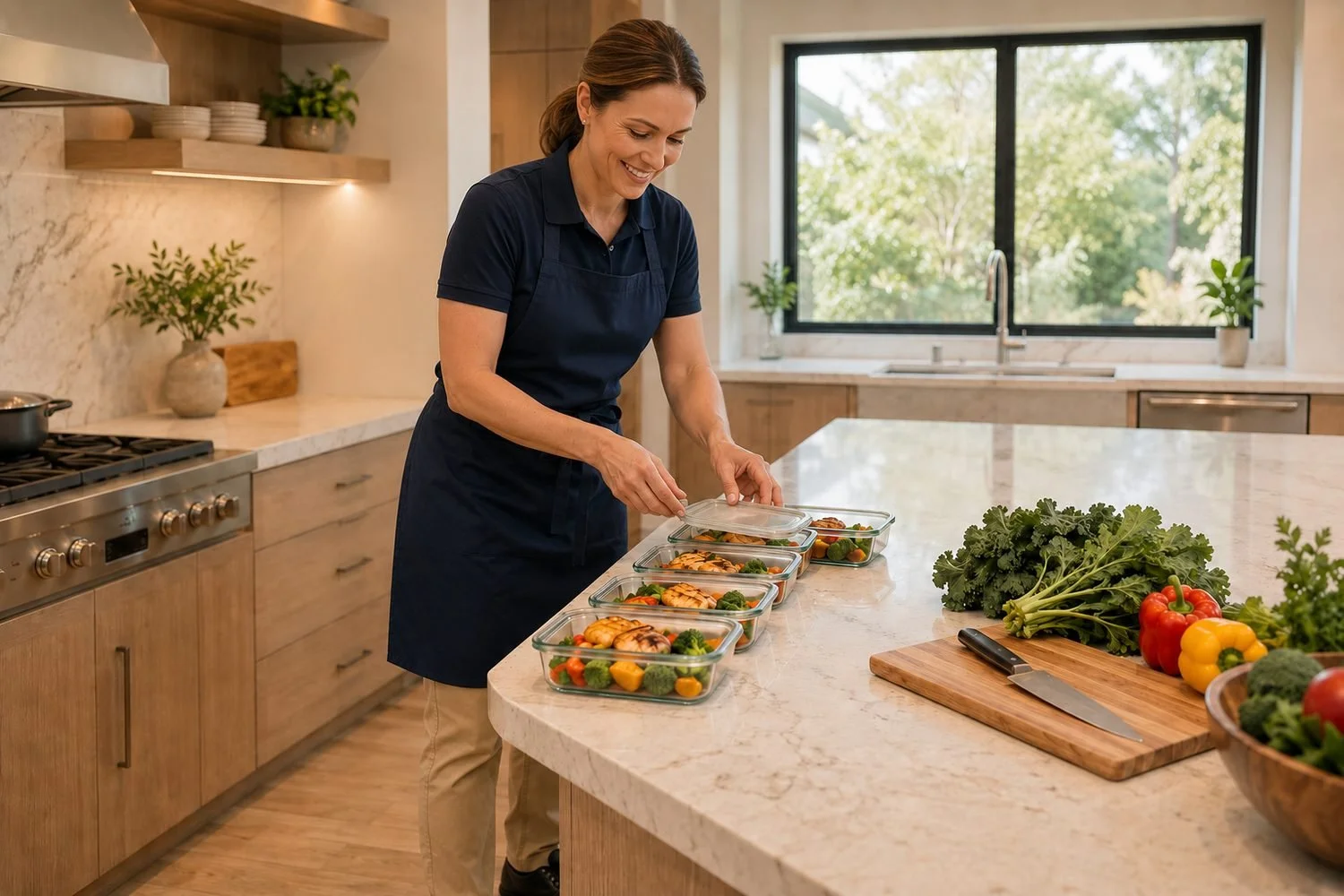
As the director of a Community Development Financial Institution (CDFI), and as management at the U.S. Small Business Administration (SBA), I saw thousands of business plans and loan applications cross my desk. That work is where I learned what a durable business looks like on paper, and what a business that only looks durable looks like on paper.
It is not, however, where the list of fifty came from. That came from years of research, running category after category through the same four questions: Is it profitable? Does it have recurring revenue? Is it recession resistant? Is it AI resistant? Those four questions are the framework behind the book, The Microbusiness Millionaire, and they are what separated the categories that built real wealth from the ones that quietly built a job with a P&L attached. Fifty survived the screen. Far more never made it through.
Personal chef and meal-prep work is one of the fifty, and it is one you can start for the price of insurance and a few supplies while keeping your paycheck.
In-home cooking, meal-prep delivery and special-diet work — keto, paleo, diabetic, post-surgical — all share the same opportunity: sold on subscription and positioned on a specialty, this becomes a premium, recurring business. Two decisions settle whether it works, and both are within your control from the first week.
The industry: premium, personal, and growing

The personalized-food-services market — private and personal chefs and meal prep — is sizable and growing: valued globally at about $15.7 billion in 2024 and projected to reach roughly $21.7 billion by 2030, a compound rate near 5.6%, driven by health-conscious households and demand for customized, dietary-specific meals. [S1] That is a global figure and it is worth reading for direction rather than size. What it tells you is that the category is growing faster than the population and faster than food spending generally, and that the growth is coming from households buying customization rather than convenience.
It is a fragmented, relationship-driven field where a skilled solo operator competes on trust and specialization, not scale.
The labor benchmark is unusual here and you should know why before you lean on it. The Bureau of Labor Statistics category that covers personal chefs is Cooks, private household. The May 2025 figures report a mean wage for it across roughly 1,100 employed people nationally. [S2] That wage moves by market, so the one that matters is the one for your own city. That wage is the price of replacing yourself — what you would pay a chef to cook the services you are cooking now. Every profit number later in this article has to survive it, and the real cost runs higher once payroll taxes and insurance go on top.
Eleven hundred is not the size of this industry. It is the size of the sliver of it that works on someone else's payroll, because the survey excludes the self-employed — and in this category almost everyone is self-employed. Treat the wage as a floor rather than a benchmark: it is roughly what you would have to pay a competent cook to take over your kitchen hours, which is exactly the number the profit section below turns on. Put payroll taxes and insurance on top of it and a lead cook lands higher still. Your pricing has to clear that fully loaded figure before a dollar of it is yours.
This is skilled work with no four-year credential required. The licensing question, though, is real and varies widely depending on where you cook — which is the first of the two decisions.
Why personal chef work made the list
Every category in the research had to clear four tests. Clear three and you usually have a self-employed job in disguise.
Does it pay after you replace yourself? It can at the premium end, where specialty-diet positioning supports rates high enough to bring on a second cook and still leave cash for the owner. What makes the replacement math work is the specialty rather than the skill: what you cook and who you cook for set the rate, and the rate is what decides whether a second cook fits inside it.
Does the revenue recur? Sold on subscription, weekly. A meal-prep client on a standing plan is recurring revenue by design, and specialty-diet clients — managing a medical condition or a restriction — stay because the service is woven into their health, not their convenience.
Does it survive a recession? The specialty-diet end holds up well, because medical and dietary needs are not discretionary the way a dinner party is. A diabetic or post-surgical client does not cancel the meals that keep them well.
Will it still need humans in ten years? Cooking specialized meals in someone's home, adjusting to their needs and their tastes, is craft and care combined. Software can plan the menu. It cannot cook the food or notice that a client has gone off their appetite. Very low AI exposure.
Four for four — with a subscription model that makes the revenue recur and a specialty that makes it premium.
The research on this category kept separating operators with identical knife skills on two decisions made before the first client. One cooks beautifully and sells "dinner service" to anyone — one-off parties, no repeat rhythm, priced against every restaurant in town, and every booking won from scratch. The other positions entirely on specialty diets — diabetic, post-surgical, medically restricted — sells weekly meal-prep subscriptions, and has the health-department question answered cold before taking a dollar. Those clients cannot easily substitute what the second operator does, they pay every week, and a great many arrive through the senior-care and nutrition world where those needs cluster. From the lending side of the desk that difference is stark: one is renting demand a dinner at a time, the other has built recurring revenue that is genuinely hard to replace. The knife skills were never what separated them.
What it takes to make this one work
A note on the tags. Every category in the fifty cleared the same four tests; far more never made it through. The tags do not grade a business — they tell you what has to line up for it to work in your hands. Personal chef work carries one: Rewards a specialty. That is the instruction manual.
The condition: two things set this category apart. Health-department rules vary a great deal by jurisdiction, and the work is kitchen-based rather than route-based, so it does not bolt onto a portfolio off the same vehicle the way most of the fifty do. Both are manageable, and both are worth settling up front.
The move that meets it: two decisions, in this order.
First, check your local rules before anything else. Where you are allowed to cook and sell — a client's kitchen, a licensed commercial kitchen, or a cottage-food exemption — shapes the entire business, and it is knowable in an afternoon.
Second, position on specialty diets. Medical conditions, dietary restrictions and post-surgical needs are where pricing is premium and the client cannot easily substitute, because the meals are part of managing their health rather than a convenience. Answer the licensing question, choose the specialty, and the rest of the model follows from those two.
The upside: sold on subscription it recurs weekly rather than monthly, which is a faster cycle than most recurring service work, and specialty positioning keeps it premium and defensible. It pairs directly with senior care, where the same families need both. Get the licensing answer and the specialty right and you own a premium, recurring, genuinely hard-to-substitute service.
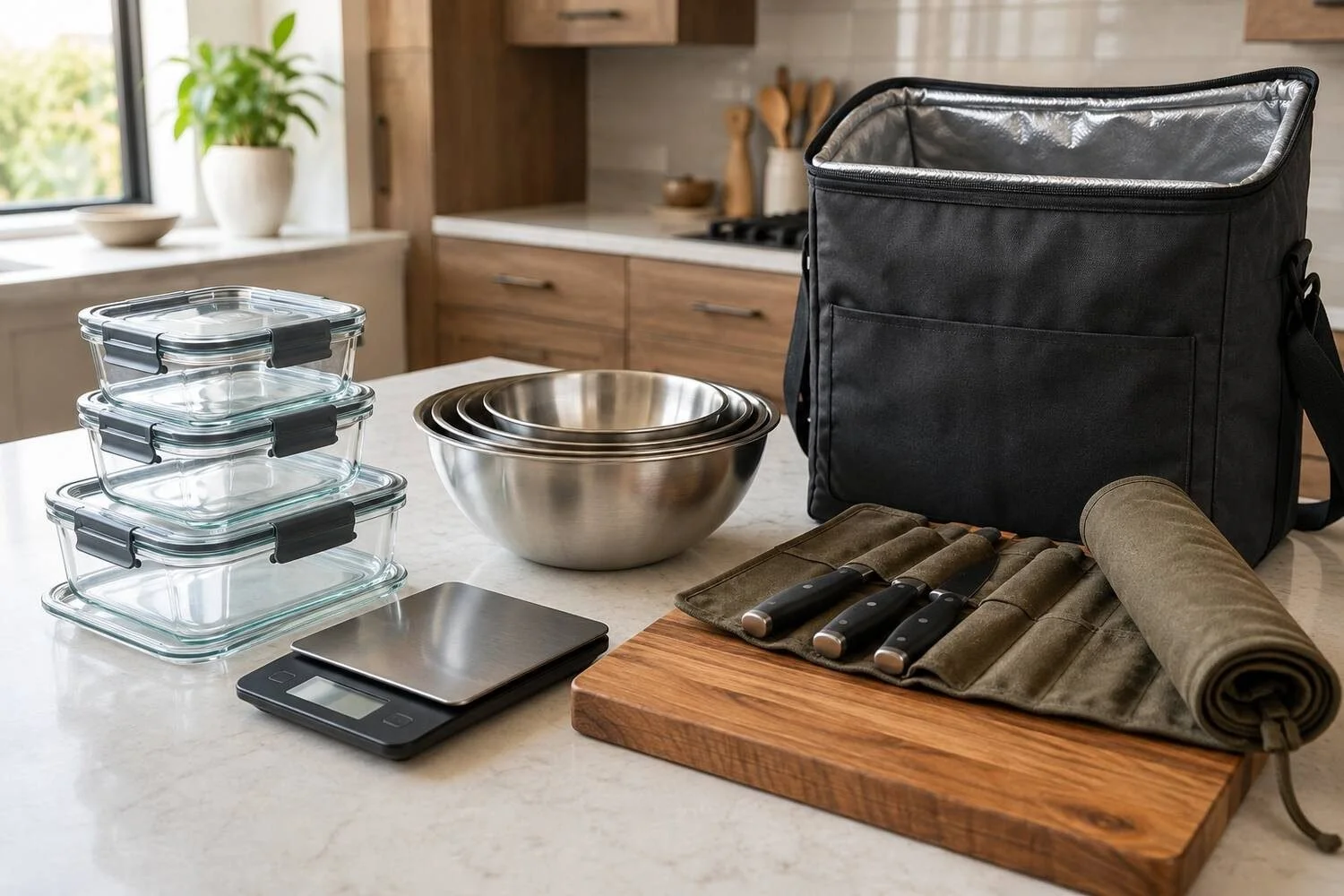
What it costs to get in — the three paths
| Path | Typical cost range | Best for |
|---|---|---|
| Startup (solo) | $2,000 – $8,000 | Insurance + initial supplies |
| Acquisition | $30,000 – $80,000 | Customer list + commercial kitchen |
| Franchise | $10,000 – $40,000 | In-home model, territory and referral systems (example: Chefs For Seniors) |
The franchise column needs one warning, because this category splits in two and only one half is the business described above. The in-home franchises — a chef cooking in the client's kitchen, no premises of your own — sit in the range shown. The concepts most people picture when they hear "meal prep franchise" are retail assembly studios, where customers come to a leased storefront and portion meals themselves. Those are a different business with a build-out attached, and their initial investment runs into the several hundred thousands, past the ceiling this book works within. Read the row, not the total: check whether the brand you are looking at needs premises, because the post you are reading assumes it does not.
Franchise brands are named as examples, not endorsements. Franchise investment figures reflect a franchisor's most recent Franchise Disclosure Document (FDD) and change annually — verify each brand's current FDD (Item 7 for the initial-investment range; Item 19 for any financial-performance representation) before pursuing one. [S3]
The solo startup is cheap for a reason worth naming: there is no vehicle to buy, no equipment to finance and no premises to lease. You are buying insurance, quality supplies and the use of a kitchen that already exists — usually the client's. Almost nothing else in the fifty lets you start without either a vehicle or a place of your own.
The acquisition path deserves a close look here for a specific reason: it often includes a commercial kitchen, which can settle the licensing question in one move and give you a compliant place to cook at volume. That kitchen access, together with an existing subscriber list, is frequently the most valuable thing you can buy in this category.
How people actually fund it

Most people start this one out of pocket. A couple of thousand dollars is within reach without a loan, which is why it is such a strong side entry — the same tier the book's side-hustle path starts in, keeping a W-2 in place while the business funds itself.
When you do want capital, to acquire a subscriber list or a commercial kitchen, a $30,000 to $80,000 deal sits in the SBA Microloan and CDFI direct lending range.
One pattern I watched from the lending chair, across every industry that came through: a qualified buyer walks into a national bank, gets declined, and concludes they cannot be funded. They never learn that a CDFI across town, or a Community Advantage lender, exists precisely for deals this size. Two free national directories will show you the ones near you — the Opportunity Finance Network CDFI locator and SBA Lender Match. [S4]
Finding the lender is the easy half. A personal chef business also has a specific tell an underwriter looks for: recurring subscription clients and a defined specialty rather than a calendar of one-off events, plus a clear, compliant answer to the kitchen-licensing question. A subscriber list with a specialty and a licensed kitchen is far more bankable than a run of event bookings, because one of them renews and the other has to be filled again every month. Start recording both before anyone asks for them.
The profit reality: owner-replacement cash flow

Here is the calculation that decides more of these deals than anything else in them. A personal chef business looks profitable because the owner is planning the menus, shopping, cooking, delivering, and keeping the books — none of it priced separately. The honest test: after you pay any cooks you bring on, and after you pay a lead cook a market wage to prepare the meals the way you do, is there enough left for you to own the thing?
This is where positioning becomes arithmetic. A generalist cooking dinners at market rates has little room left once a second cook is paid.
A specialty-diet operator selling weekly subscriptions sets premium pricing the client cannot easily shop around, because the meals are part of managing a medical or dietary need. That rate is what leaves room to pay a lead cook and still hold cash flow as the owner. Same knife skills, completely different ability to replace the owner, decided by the specialty and the recurring model.
The category-level math is easy — you just did it. Running it on a specific company, where the seller's "profit" is really his own unpriced cooking hours and the licensing setup and specialty mix change everything, is where people freeze. That is the job of the course, Microbusiness Millionaire: Operating System — the four tests turned into a repeatable screen you run on a real deal.
The benefits of owning a personal chef business
A very low solo entry. Insurance and supplies, with no vehicle to buy and no premises to lease.
Weekly recurring revenue. Sold on subscription, meal prep recurs by design, and on a weekly cycle rather than a monthly one.
Premium, defensible pricing. Specialty-diet positioning is genuinely hard for a client to substitute.
Recession-resistant at the specialty end. Medical and dietary needs are not discretionary.
Very low AI exposure. Cooking specialized meals in someone's home is craft and care, not software.
What separates the strong operators from the struggling ones
The licensing answered first. Where you are legally allowed to cook for pay shapes everything after it, and it is knowable before you spend anything. Settle it in week one.
A specialty chosen, not a menu. Generalist dinner service competes with every restaurant in town. A specialty diet is where premium pricing and durable demand both live.
Subscriptions before events. A one-off booking is a sale you make again next month. A weekly meal-prep plan is the asset, and it is what a buyer eventually pays for.
Specialty work priced for the expertise. Medical and restricted-diet meals carry real responsibility and are hard to substitute. Price against that value rather than against a night out.
Licenses, permits, and regulations
Licensing here varies more from one county to the next than it does in most of the fifty, which is why it comes before everything else rather than after: health-department rules differ sharply by state and locality, and they govern where you can legally cook for pay.
There are three regulatory paths and they are not interchangeable. Cooking in the client's own kitchen is the simplest and the one most in-home chefs use. Renting a licensed commercial or commissary kitchen costs money but lets you batch at volume and settles the question permanently. Operating under a cottage-food exemption is the cheapest and the most restricted, and what it allows differs enormously from one state to the next.
On top of whichever path you take, a food-handler or food-manager certification (such as ServSafe) is commonly required, along with business registration and liability insurance. Special-diet claims tied to medical conditions may carry added responsibilities.
Start with your local health department and the free SBA "Apply for licenses and permits" tool. [S5] (General information, not legal advice — confirm your local health-department and kitchen-licensing rules before you cook for pay.)
Build a portfolio, not a job
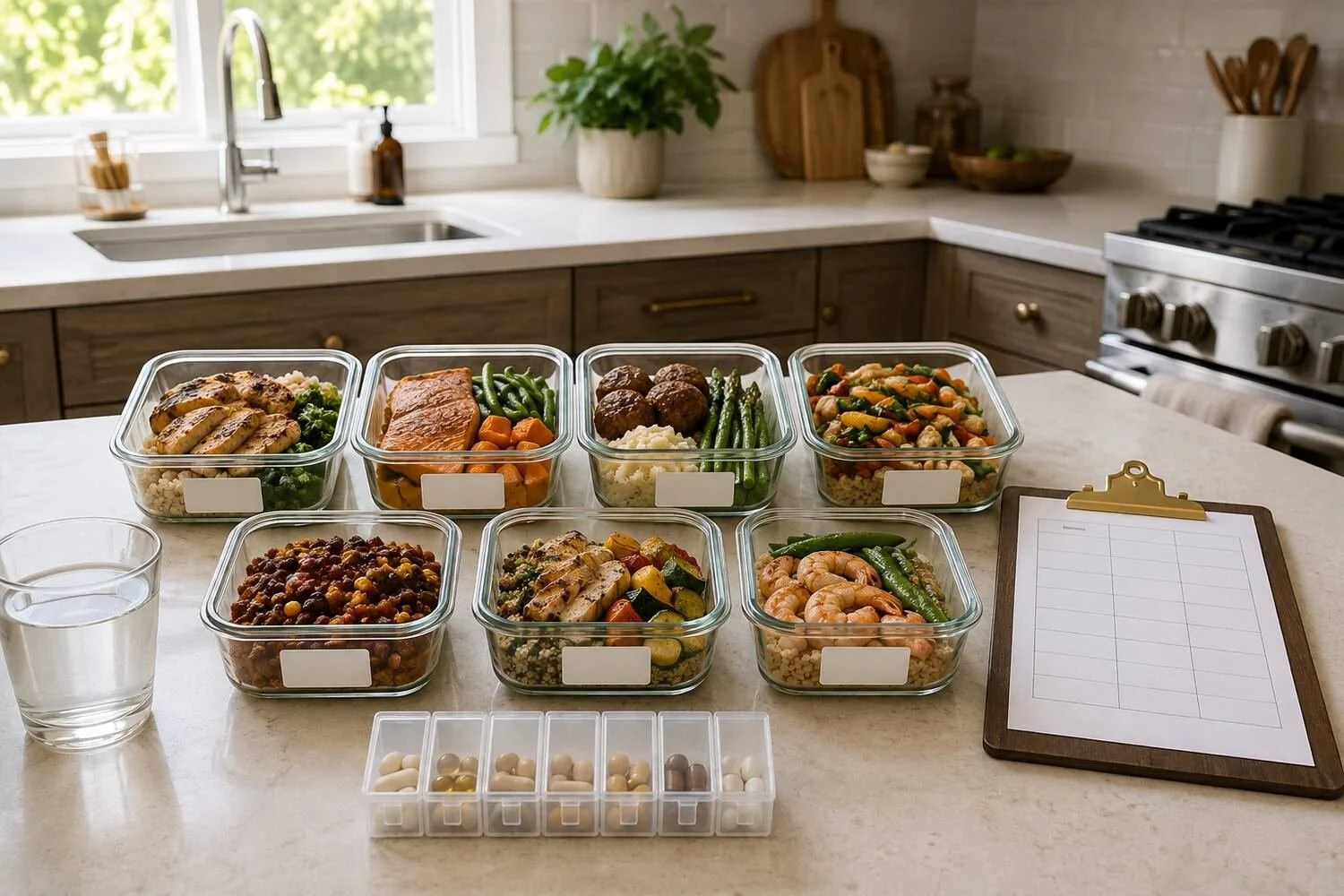
This category stacks on a different principle than most of the fifty, and it is worth naming. Some businesses stack at one location and some stack along a route. Personal chef work is kitchen-based rather than route-based, so it stacks on a referral relationship — the businesses that belong with it are the ones the same household needs in the same season of life, from sources that already trust you.
It connects naturally to senior care, where aging clients on medical or restricted diets need both and the referral sources overlap almost entirely. It connects to personal training and nutrition coaching, where the meals are the other half of a health plan. And it connects to aging-in-place home modification through those same senior households. The value compounds through the recurring subscription and the shared relationships rather than through a shared vehicle.
That is the difference between owning a job and owning a portfolio. You are not building a schedule around your own cooking hours. You are building a premium, recurring food service woven into a set of households' health and care. A portfolio like that, with weekly subscribers and a defensible specialty, sells to a buyer as one asset — which is how it ends up worth over a million dollars at sale, instead of a knife roll and a cooler.
Frequently asked questions
Is a personal chef business profitable? At the specialty-diet, subscription end, yes — premium pricing the client cannot easily substitute, sold on a weekly recurring plan. The honest test is whether it still produces cash after paying a lead cook to replace your kitchen hours, and specialty positioning with recurring subscriptions makes that far more likely than one-off event cooking does.
How much does it cost to start a personal chef business? As little as $2,000 to $8,000 to start solo with insurance and supplies, because there is no vehicle to buy and no premises to lease. About $30,000 to $80,000 to acquire a customer list with a commercial kitchen, or $60,000 to $120,000 for a franchise with recipe systems.
Do I need a license to be a personal chef? Almost always something — health-department rules vary sharply by jurisdiction and govern where you can cook for pay, and a food-handler or food-manager certification (like ServSafe) is commonly required. Confirm your local rules before you take a dollar. [S5]
How does a meal-prep business make recurring revenue? By selling weekly subscriptions rather than one-off meals. A standing meal-prep plan — especially for a specialty diet tied to a medical or dietary need — recurs by design and is hard for the client to cancel.
Where to go from here
Download the free guide. 50 Boring Businesses That Make Millionaires is the full result of the research: fifty categories run against the four tests, what each one costs to enter by all three paths, what has to line up for it to work, and how they pair into a portfolio. Free at microbusinessmillionaire.com.
Read the book. The Microbusiness Millionaire: How Ordinary People Build Extraordinary Wealth One Microbusiness at a Time follows four people who each reached a portfolio worth more than a million dollars by a different path. One keeps a hospital job and uses CDFI financing to acquire one stable service business, then another, then a third. One saves on a single income for three years, leaves a master plumber's wage, and stacks trade service lines starting with an SBA microloan. One uses an SBA Community Advantage loan to open a franchise, then opens three more. One starts with about $5,000 on the side and keeps a W-2 for years, building the slowest and most patient version of the same result. Four starting points, four amounts of money, four portfolios worth over a million dollars at sale. The book is coming soon — join the email list at microbusinessmillionaire.com to hear when it lands.
Join the next cohort — Microbusiness Millionaire: Operating System. The book gives you clear examples of how it's done. The course is the step-by-step system for doing it yourself: screening a real company against the four tests, running the owner-replacement cash-flow math on a seller's actual numbers, knowing when to walk, knowing which lenders fund deals this size, and installing the operator who runs the business without you. Eight weeks online, five seats a cohort, waitlist first — at microbusinessmillionaire.com.
About the author
Chris Scott has spent more than twenty-five years in the small-business arena. As the director of a Community Development Financial Institution (CDFI) and as management at the U.S. Small Business Administration (SBA), he saw thousands of business plans and loan applications cross his desk. His research into which microbusinesses build wealth — and which quietly build a job — became The Microbusiness Millionaire and the free companion guide, 50 Boring Businesses That Make Millionaires.
Sources & references
[S1] Research and Markets / Grand View Research, Personal Chef Services market — valued globally at ~$15.7bn (2024), projected to ~$21.7bn by 2030 (~5.6% CAGR); growth driven by health-conscious households and specialty-diet demand. (Figure is a global market estimate.)
[S2] U.S. Bureau of Labor Statistics, Occupational Employment and Wage Statistics, Cooks, private household (SOC 35-2013, includes personal chefs), May 2025 national estimates: employment 1,100. OEWS excludes self-employed workers, so the employment count materially understates the category. bls.gov/oes
[S3] U.S. Federal Trade Commission, Franchise Rule / FDD Items 7 and 19. ftc.gov
[S4] Opportunity Finance Network CDFI Locator (ofn.org); SBA Lender Match (sba.gov).
[S5] U.S. Small Business Administration, Apply for licenses and permits (sba.gov); state and local health-department and kitchen-licensing rules (client kitchen vs. commercial/commissary kitchen vs. cottage-food exemption); food-handler/food-manager certification (e.g., ServSafe).
[Internal] 50 Boring Businesses That Make Millionaires — Personal Chef / Meal Prep entry (tag, three-path entry-cost table, portfolio pairings, framework note, "what it takes to make this one work"), drawn from the author's research and filtered through the underwriting criteria he applied as a CDFI lender.
This article is for general information only and is not legal, financial, tax, or investment advice. Category-level figures are reference points, not a specific-deal projection; individual businesses vary. Consult a CPA, attorney, business broker, franchise consultant, or CDFI loan officer before acting.
Last updated: 8/23/2026.