

How to Start a Dryer Vent Cleaning Business
Lint buildup is a leading cause of house fires, and most homeowners have never been told, which makes this one of the few services that sells itself the moment someone explains it. Here is what a dryer vent cleaning business costs, what it pays after you replace yourself, and why attaching it to a service already inside the home turns an expensive sale into a nearly free one.
Chris Scott — former CDFI director and SBA management
As the director of a Community Development Financial Institution (CDFI), and as management at the U.S. Small Business Administration (SBA), I saw thousands of business plans and loan applications cross my desk. That work is where I learned what a durable business looks like on paper, and what a business that only looks durable looks like on paper.
It is not, however, where the list of fifty came from. That came from years of research, running category after category through the same four questions: Is it profitable? Does it have recurring revenue? Is it recession resistant? Is it AI resistant? Those four questions are the framework behind the book, The Microbusiness Millionaire, and they are what separated the categories that built real wealth from the ones that quietly built a job with a P&L attached. Fifty survived the screen. Far more never made it through.
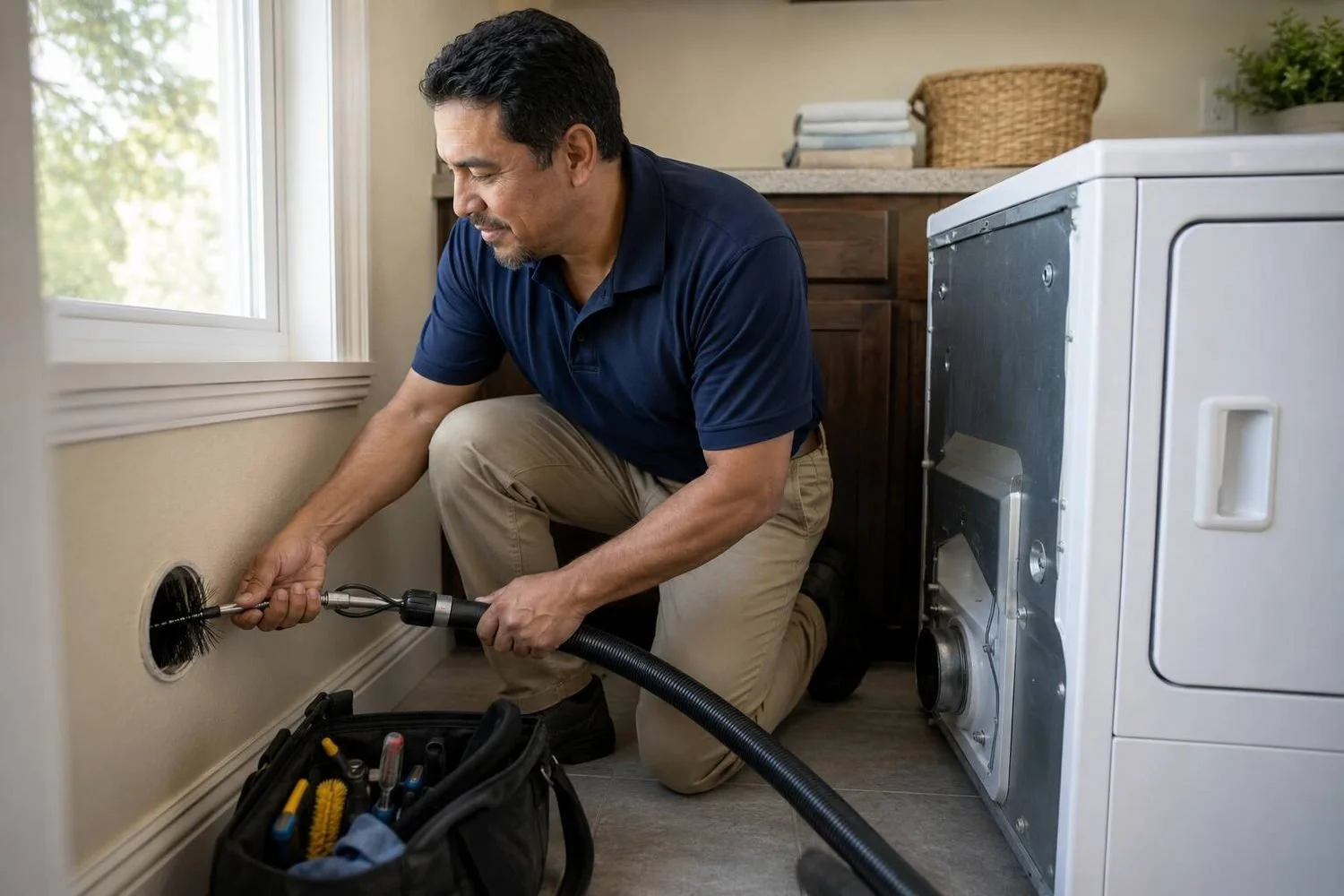
Dryer vent cleaning is one of the fifty, and it sits in the lower reaches of the entry ladder: $5,000 and you are working. It also has an unusual sales dynamic. The service sells itself, but only after the customer hears one fact. So the whole business comes down to getting in front of that customer, and there is a clean way to do it.
The industry: safety-driven, recurring, and under-served
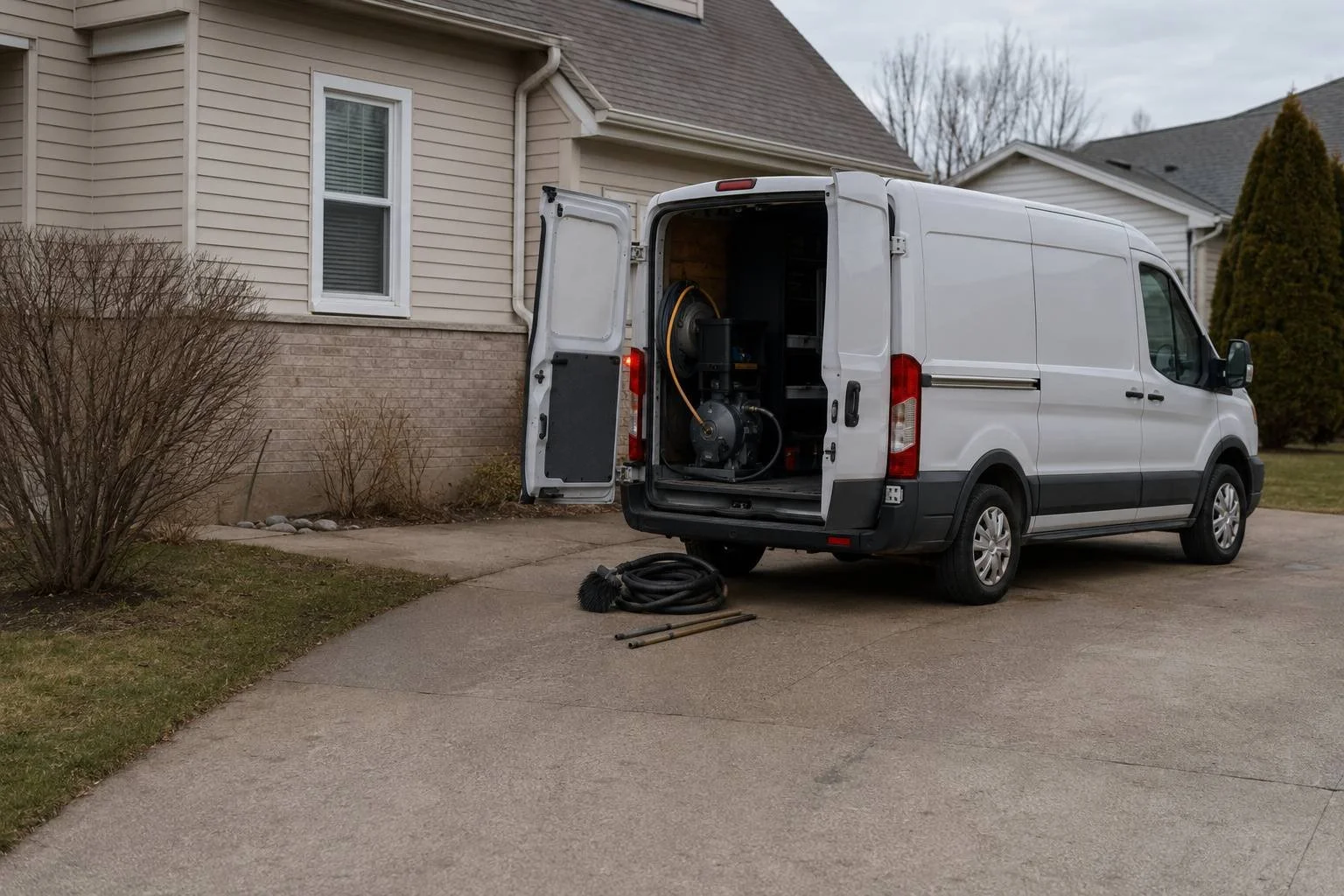
Dryer vent cleaning runs on a simple, large installed base: essentially every home and apartment with a clothes dryer — well over a hundred million housing units — has a vent that fills with lint over time and needs periodic clearing. The demand driver is safety: lint buildup is a leading cause of house fires, and clogged vents cause thousands of dryer fires a year, according to fire-safety authorities. [S1] That fact is the entire marketing engine of this category, and most homeowners do not know it until someone tells them.
The labor benchmark comes from the installation, maintenance, and repair group. [S2] That wage is the price of replacing yourself: what a supervisor would have to be paid to do the work you would otherwise be doing. What it costs depends on your market, not on a national median. Look yours up before you build a price list on it. Every profit number later in this article has to survive it, and the real cost runs higher once payroll taxes and insurance go on top.
This is a straightforward, trainable service with no scarce credential behind it, which is why the entry cost is so low. It also means the real skill in this business is the conversation rather than the cleaning.
Why dryer vent cleaning made the list
Every category in the research had to clear four tests. Clear three and you usually have a self-employed job in disguise.
Does it pay after you replace yourself? It does, most cleanly when attached to a route that is already inside the home, which is what this category's one tag is about. Sold cold, the cost of finding each customer is what you are managing. Attached, that cost is close to nothing.
Does the revenue recur? On a one-to-two-year cycle — slower than a weekly route, but genuinely recurring, because the lint always comes back. A customer cleaned this year is a customer due again in eighteen months, and a good operator keeps that calendar.
Does it survive a recession? The safety framing holds it up. A clogged vent is a fire risk, not a cosmetic issue, and once a homeowner understands that, the cleaning gets scheduled regardless of the economy. Safety spending is stickier than discretionary spending.
Will it still need humans in ten years? Someone has to run the brush and vacuum through the vent line and inspect the run. Software can book the appointment. It cannot reach into the wall. Low AI exposure.
Four for four, on a $5,000 entry.
The research on this category kept turning up the same finding, and it is about position rather than pricing. Specialty-cleaning and appliance operators who add dryer vents to work they are already doing are not marketing the service at all. They are standing in the laundry room for another reason and adding one line to the visit: a clogged dryer vent is one of the leading causes of house fires, and I can clear yours while I am here. A large share say yes on the spot. Their cost to acquire that customer is close to zero, because they were already there. The same homeowner would have scrolled past a cold advertisement for the identical service. From the lending side of the desk this shows up plainly in an application: a business whose revenue arrives attached to other work has a marketing line that stays small as it grows, and one selling cold does not.
What it takes to make this one work
A note on the tags. Every category in the fifty cleared the same four tests; far more never made it through. The tags do not grade a business — they tell you what has to line up for it to work in your hands. Dryer vent cleaning carries one: Best paired. That is the instruction manual.
The condition: customers come around on a one-to-two-year cycle, and the sale is consultative rather than transactional. You are not taking an order the way a plumber does when a pipe bursts. You are explaining a fire-safety risk the homeowner has probably never considered. That is a slower, more educational sale, and run cold as a standalone service it carries a real cost to get in front of each person.
The move that meets it: attach it. Appliance repair, HVAC, and specialty cleaning already put you in the house, standing near the dryer, trusted by the homeowner — and from there the conversation costs nothing. You add one line to a visit you were making anyway, and the safety fact does the rest. That is what the Best paired tag is telling you: the service that is expensive to sell cold becomes nearly free to sell when you are already in the room for something else.
The upside: once you are in front of the customer, the safety angle does the selling for you. Lint buildup is a leading cause of house fires, and once a homeowner knows that, price stops being the question. You are not haggling over a cleaning. You are removing a fire risk from their home, and very few people negotiate hard over that. Attached to a route already inside the house, this is recurring, urgency-driven revenue with almost nothing spent to win it — which on a $5,000 entry makes it one of the easiest additions on the entire list.
What it costs to get in — the three paths
| Path | Typical cost range | Best for |
|---|---|---|
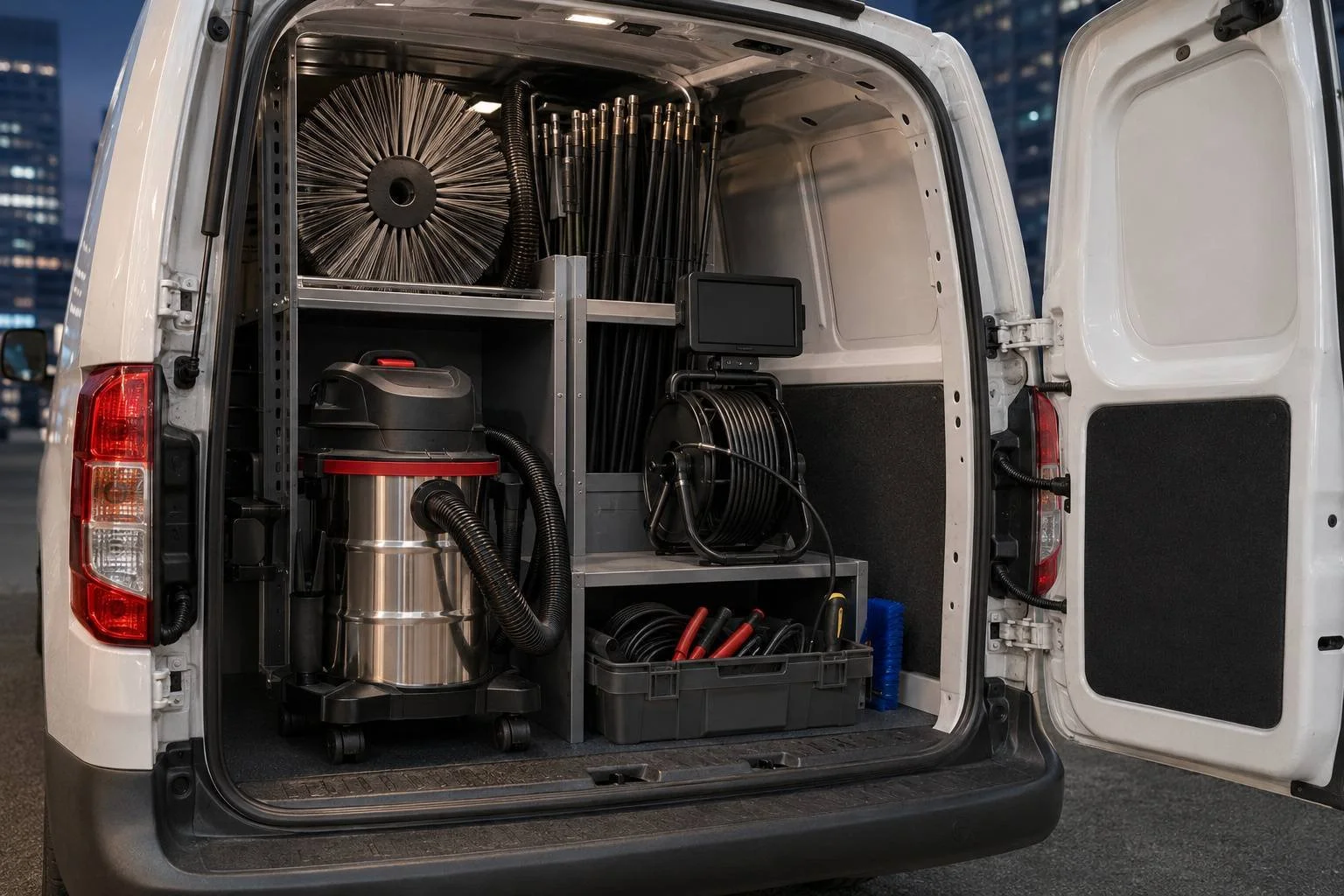
| Startup | $5,000 – $15,000 | Specialty equipment + truck |
| Acquisition | $20,000 – $60,000 | Customer list + equipment |
| Franchise | $85,000 – $165,000 | Brand + insurance/safety positioning. Example: Dryer Vent Wizard. |
The ranges above are my category estimate from the lending chair, not any brand's published figure. Brands are named as real examples so you can check them yourself, not as endorsements, and their actual investment ranges may differ from the range above. Each franchisor's Franchise Disclosure Document (FDD) is the authoritative source and refiles annually: check Item 7 for the initial-investment range and Item 19 for any financial-performance representation before pursuing one. [S3]
Notice what the franchise row is really selling: "insurance/safety positioning." The systems that franchise this understand that the safety fact is the whole sale, and they package the marketing around it.
Then look at the two numbers either side of that sentence. The leading brand in the category discloses an estimated initial investment of roughly $85,000 to $163,000 in its 2026 FDD, on an initial franchise fee of about $50,000. [S6] The equipment to do the same work costs $5,000.
That gap is not a criticism of the franchise, which buys you a system, a territory and a phone that rings. It is a statement of what you are paying for, and it is unusually easy to see in this category: the fire-safety message is public, credible and free to use. The franchise sells you the packaging, not the pitch — so be clear that the packaging is what you want before you buy it.
How people actually fund it

At $5,000–$15,000, this barely needs a lender at all. It comes out of savings — the entry tier the book's side-hustle path starts in, where a W-2 stays in place and the building happens on weekends because the entry price allows it. Dryer vent cleaning is a textbook first rung: cheap enough to start on the side, with a service you can attach to something bigger later.
Where a lender enters is the $20,000–$60,000 acquisition of an established customer list, which sits in SBA Microloan and CDFI direct lending territory.
One pattern I watched from the lending chair, across every industry that came through: a qualified buyer walks into a national bank, gets declined, and concludes he cannot be funded. He never learns that a CDFI across town, or a Community Advantage lender, exists precisely for deals this size. Two free national directories will show you the ones near you — the Opportunity Finance Network CDFI locator and SBA Lender Match. [S4]
Finding the lender is the easy half. A dryer vent business also has a specific strength to show an underwriter: the share of revenue arriving attached to other services rather than sold cold, and the repeat rate on the one-to-two-year cycle. Mostly attached, recurring revenue is far more bankable than a run of cold one-off cleanings, because one of those has a marketing cost that grows with it and the other does not. Start recording both before anyone asks for them.
The profit reality: owner-replacement cash flow

Here is the calculation that decides more of these deals than anything else in them. A dryer vent business looks profitable because the owner is doing the cleanings, having the safety conversations, scheduling, and doing the books — none of it priced. The honest test: after you pay any help, and after you pay someone a market wage to do the cleanings and have the conversations the way you do, is there enough left for you to own the thing?
Real numbers. Start with what a service tech costs where you operate — the maintenance and repair group median is the benchmark, and it moves by market. [S2] Whatever the business reports as profit has to survive paying that.
Here the attachment strategy is the difference between clearing the test and not. A standalone dryer-vent business spends real money finding each customer, and that spending comes straight out of the cash flow the tech's wage is paid from. An attached business finds customers for almost nothing, because the conversation happens on a visit another service already paid for. Same cleaning, same wage, and far more revenue surviving to the owner — decided entirely by attached versus cold.
The category-level math is easy — you just did it. Running it on a specific business, where the seller's "profit" hides his own cleaning hours and the attached-versus-cold mix is buried in the job history, is where people freeze. That is the job of the course, Microbusiness Millionaire: Operating System — the four tests turned into a repeatable screen you run on a real deal.
The benefits of owning a dryer vent cleaning business
A $5,000 entry. Specialty equipment and a truck, with no premises and no inventory.
The safety fact does the selling. Once a homeowner knows lint is a top fire cause, price stops being the question.
Recurring on a 1–2 year cycle. The lint always comes back; a good operator keeps the calendar.
Almost nothing spent to win a customer, when attached. The sale is nearly free on a visit you are already making.
Recession-resistant safety demand. A fire risk gets handled regardless of the economy.
What separates the strong operators from the struggling ones
Attached before cold. The whole category turns on this. Sold alongside a route already in the house, the customer costs nothing to win; sold cold, every one of them has a price. Attach it first and add cold marketing later, if ever.
Safety before price. Lead with the fire-safety fact and the price conversation takes care of itself. Lead with price and you have given away the one advantage this category hands you.
The calendar kept. A customer cleaned this year is due again in eighteen months. Operators who track and re-book that cycle collect the category's best revenue twice; operators who do not collect it once.
Coverage before the first paid job. This is work inside people's homes, next to their appliances. General liability and commercial auto go in place before the first invoice, not after the first incident.
Licenses, permits, and regulations
Dryer vent cleaning carries no federal occupational license, which keeps the real requirements to insurance and business basics: a registered entity, general liability, commercial auto, and workers' comp once you hire. Some vent work crosses into HVAC or electrical territory if you are modifying ducting or the appliance connection, which may require a licensed trade — know where cleaning ends and repair begins. Multi-family and commercial contracts (apartments, laundromats) may carry their own requirements. Start with your state and municipal offices and the free SBA "Apply for licenses and permits" tool. [S5] (General information, not legal advice — confirm your local requirements.)
Build a portfolio, not a job
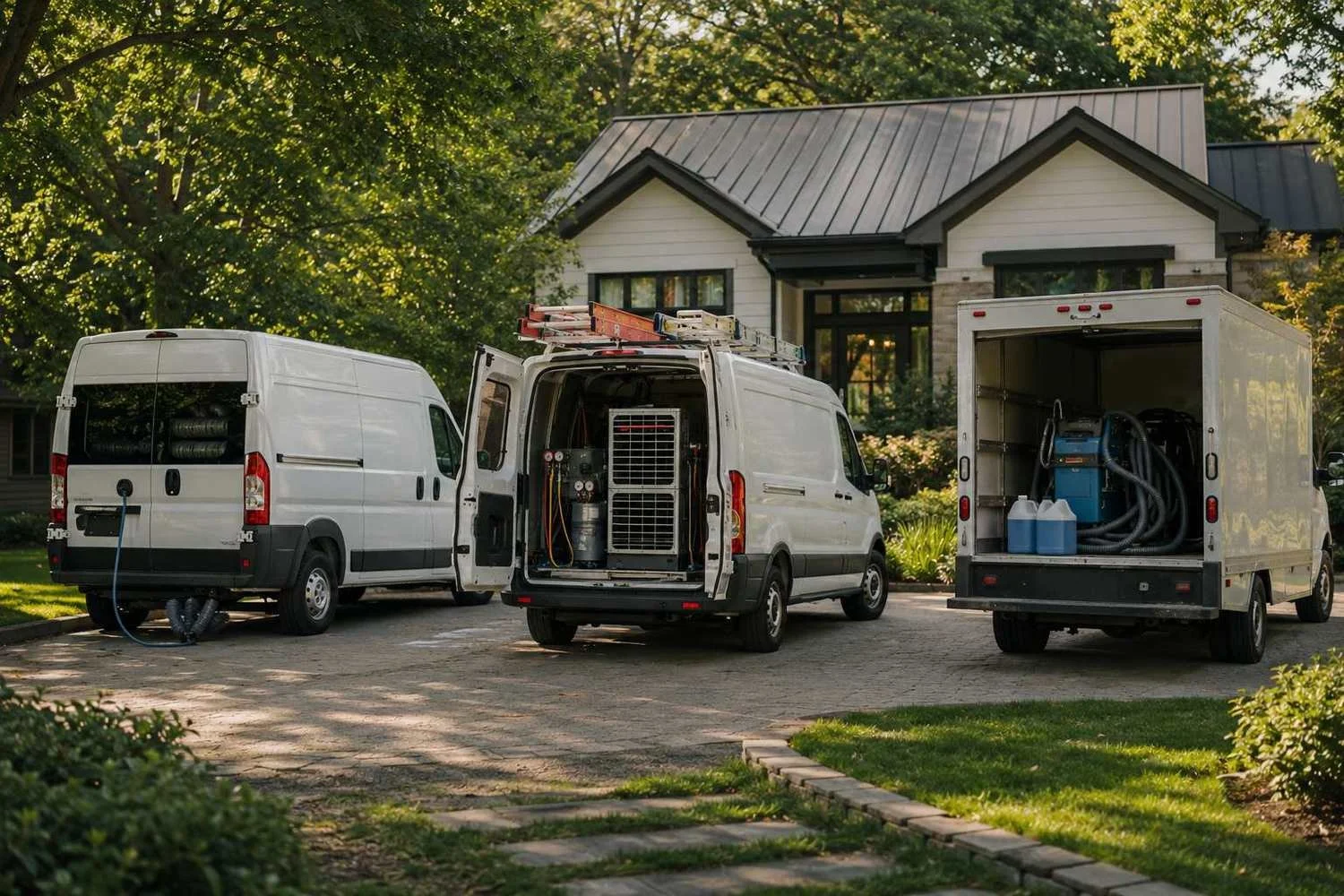
Dryer vent cleaning is an attachment business by design, which makes it unusual among the fifty: it is not really meant to be an anchor at all. It is the second or third service on a route that already runs through people's homes, and its natural home is a portfolio built on those visits.
It pairs most directly with appliance repair, where you are standing at the dryer already, with HVAC, another whole-home mechanical service that opens the same air-quality and safety conversation, and with specialty cleaning, another trusted in-home visit. It also rhymes with the positioning of hood cleaning and fire protection inspection on the commercial side — the same message, that you keep a property safe, carried across a portfolio. The operator already in the home for one service adds the dryer vent for almost nothing and turns a single visit into two revenue lines.
That is the difference between owning a service and owning a portfolio. You are not building a dryer-vent operation in isolation. You are adding a safety-driven, recurring layer to a home-services relationship you already have, on visits you are already paid to make. A portfolio like that, with a documented customer list on a repeating cycle, sells to a buyer as one asset — which is how it ends up worth over a million dollars at sale, instead of a van full of brushes.
Frequently asked questions
Is a dryer vent cleaning business profitable? Yes, particularly when attached to a route already inside the home, which is how the category is meant to run. The honest test is whether it still produces cash after paying a tech and a supervisor, and the answer turns on what each customer costs to win. Attached, that is close to nothing. Cold, the marketing spend takes the cash the tech's wage comes out of.
How much does it cost to start a dryer vent cleaning business? Roughly $5,000 to $15,000 for specialty equipment and a truck, with no premises and no inventory. About $20,000–$60,000 to buy an established customer list, or $50,000–$100,000 for a franchise.
How do you get customers for dryer vent cleaning? Attach it to a service already in the house — appliance repair, HVAC, or specialty cleaning — and add the fire-safety conversation to a visit you are already making. Sold cold, each customer has a real cost to find. Attached, that cost is close to nothing.
Why is the fire-safety angle so important? Because it's the entire sale. Lint buildup is a leading cause of house fires, and once a homeowner understands that, the cleaning stops being optional and price stops being the question. Lead with safety, not price.
Where to go from here
Download the free guide.50 Boring Businesses That Make Millionaires is the full result of the research: fifty categories run against the four tests, what each one costs to enter by all three paths, what has to line up for it to work, and how they pair into a portfolio. Free at microbusinessmillionaire.com.
Read the book.The Microbusiness Millionaire: How Ordinary People Build Extraordinary Wealth One Microbusiness at a Time follows four people who each reached a portfolio worth more than a million dollars by a different path. One keeps a hospital job and uses CDFI financing to acquire one stable service business, then another, then a third. One saves on a single income for three years, leaves a master plumber's wage, and stacks trade service lines starting with an SBA microloan. One uses an SBA Community Advantage loan to open a franchise, then opens three more. One starts with about $5,000 on the side and keeps a W-2 for years, building the slowest and most patient version of the same result. Four starting points, four amounts of money, four portfolios worth over a million dollars at sale. The book is coming soon — join the email list at microbusinessmillionaire.com to hear when it lands.
Join the next cohort — Microbusiness Millionaire: Operating System. The book gives you clear examples of how it's done. The course is the step-by-step system for doing it yourself: screening a real company against the four tests, running the owner-replacement cash-flow math on a seller's actual numbers, knowing when to walk, knowing which lenders fund deals this size, and installing the operator who runs the business without you. Eight weeks online, five seats a cohort, waitlist first — at microbusinessmillionaire.com.
About the author
Chris Scott has spent more than twenty-five years in the small-business arena. As the director of a Community Development Financial Institution (CDFI) and as management at the U.S. Small Business Administration (SBA), he saw thousands of business plans and loan applications cross his desk. His research into which microbusinesses build wealth — and which quietly build a job — became The Microbusiness Millionaire and the free companion guide, 50 Boring Businesses That Make Millionaires.
Sources & references
[S1] U.S. fire-safety authorities (National Fire Protection Association and U.S. Fire Administration) on clothes-dryer fires: failure to clean is the leading contributing factor, causing thousands of residential dryer fires annually. nfpa.org; usfa.fema.gov
[S2] U.S. Bureau of Labor Statistics, Occupational Outlook Handbook: Installation, Maintenance, and Repair Occupations (May 2024). bls.gov/ooh
[S3] U.S. Federal Trade Commission, Franchise Rule / FDD Items 7 and 19. ftc.gov
[S4] Opportunity Finance Network CDFI Locator (ofn.org); SBA Lender Match (sba.gov).
[S5] U.S. Small Business Administration, Apply for licenses and permits (sba.gov); state and municipal requirements where vent work crosses into HVAC/electrical trades.
[S6] Dryer Vent Wizard franchise disclosure data: the franchisor states an estimated initial investment of $84,900–$163,400 including an initial franchise fee of $49,900, per Item 7 of the 2026 Dryer Vent Wizard SPV LLC FDD. Franchise-filing aggregators report closely comparable ranges. Verify the current FDD directly before relying on any figure.
[Internal]50 Boring Businesses That Make Millionaires — Dryer Vent Cleaning entry (tag, three-path entry-cost table, portfolio pairings, framework note, "what it takes to make this one work"), drawn from the author's research and filtered through the underwriting criteria he applied as a CDFI lender.
This article is for general information only and is not legal, financial, tax, or investment advice. Category-level figures are reference points, not a specific-deal projection; individual businesses vary. Consult a CPA, attorney, business broker, franchise consultant, or CDFI loan officer before acting.
Last updated: 8/18/2026